Trading Time for Money — The Trap Most of Us Are In
If you stop working today, does your income stop? For most people, the answer is yes. That’s the definition of active income — you work, you get paid. You stop working, the money stops.
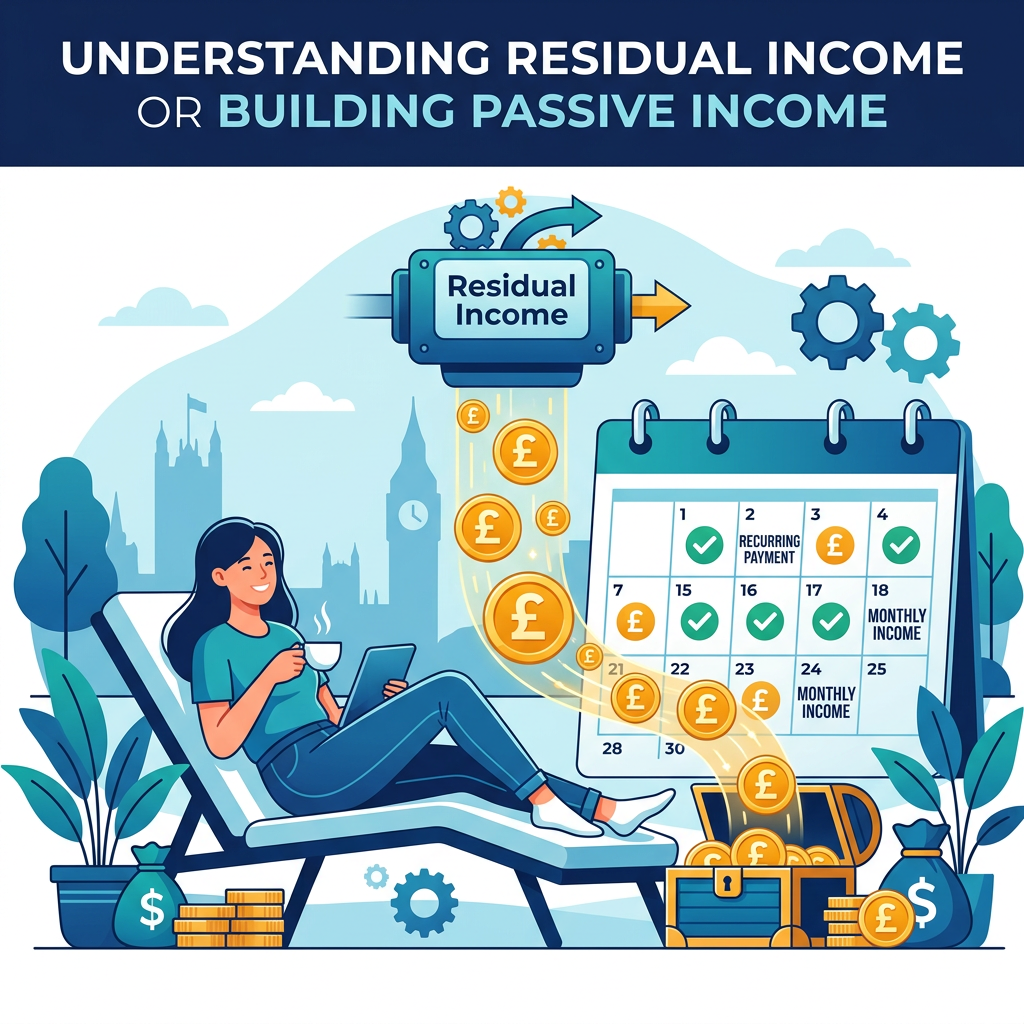
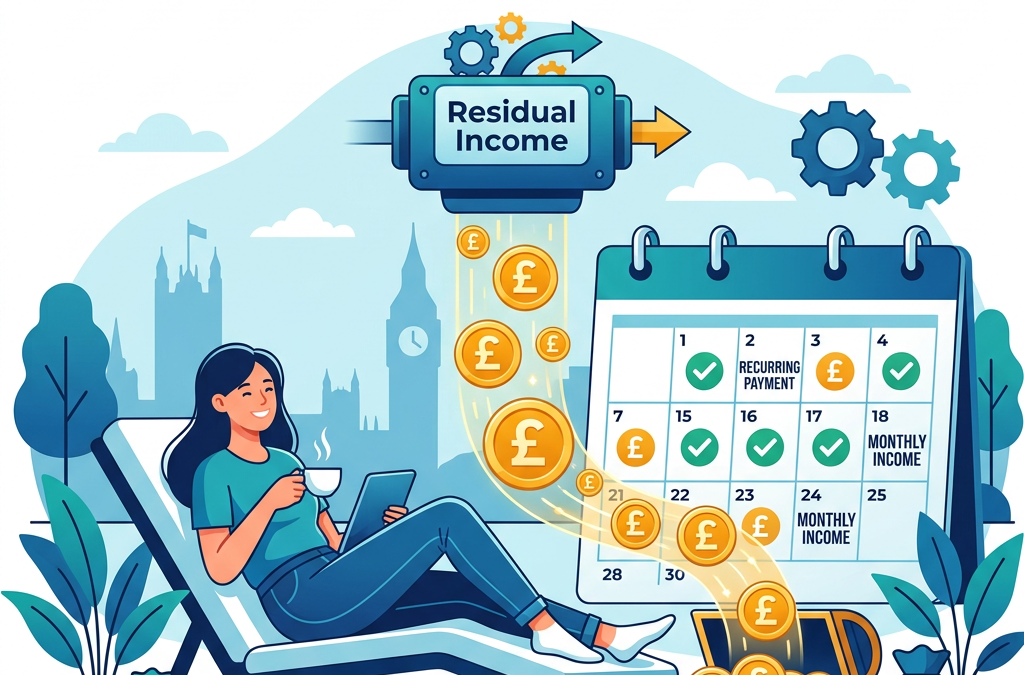
Residual income (sometimes called passive income) is different. You do the work once, and it pays you repeatedly — for months or years afterwards. If you want to build your own income from home, it only takes a few minutes.
What is Residual Income?
Residual income is money that continues to be generated after the initial effort has been made. Classic examples include:
- Royalties from a book or song
- Rental income from a property
- Dividends from investments
- Commission from recurring subscriptions or services
The last one is the most accessible for ordinary people, because it doesn’t require capital, a property portfolio, or a record deal. You can also Utility Warehouse partner opportunity to see what’s available.
How Residual Income Works with Utility Warehouse
When you become a UW Partner and sign up a customer, you earn a one-off Customer Bonus. But more importantly, you also earn a percentage of their monthly bills — every single month — for as long as they remain a customer.
UW pays between 2–6% of a customer’s bill depending on the service. For a typical homeowner on energy, broadband, and mobile, that’s roughly £3–£5 per month. Sign up 50 customers, and that’s £150–£250 arriving in your account every month without any additional work.
Why This Matters More Than a Pay Rise
A pay rise requires your employer’s permission. Residual income requires your own initiative. More importantly, residual income doesn’t stop when you take a holiday, fall ill, or simply want a day off. It’s income that’s increasingly independent of your time.
Building It Takes Time — But Less Than You Think
The honest truth is that residual income takes consistent effort to build. But the UW model is designed so that even part-time effort — a few hours a week — compounds into something meaningful within 12–24 months.
The key is starting. The partners earning £500, £1,000, or more per month in residual income all started with a single customer.